

Search for a tip:
Which Bin Tips
Need to know 'which bin' and more importantly, why? Our handy and simple tips will help you get the most out of your recycling efforts.
Sort by tip type:
Empty your caddy when full or every 2-3 days and rinse it after each use. For a more thorough clean you can use ...
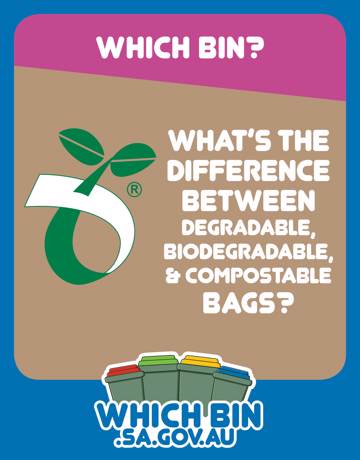
CompostableCompostable bags are made of natural plant starch, and do not produce any toxic material. They break ...
When preparing for your children going back to school consider how you can avoid, reduce, reuse, recy...
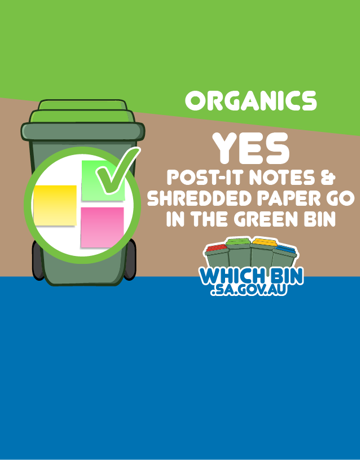
Shredded paper provides a great sources or carbon, which is an important component of good ...
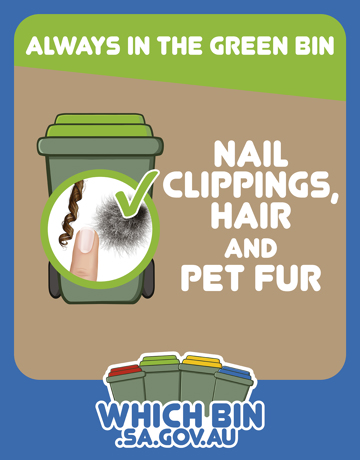
Nail clippings and hair from both humans and pets can go in the green bin – following the general rule, ‘if it g...
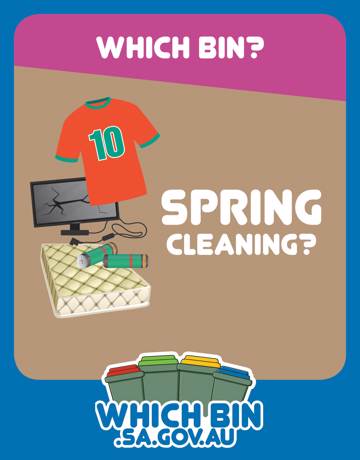
Looking to tidy things up around the house? Follow these easy tips to make the most of the materials you no long...
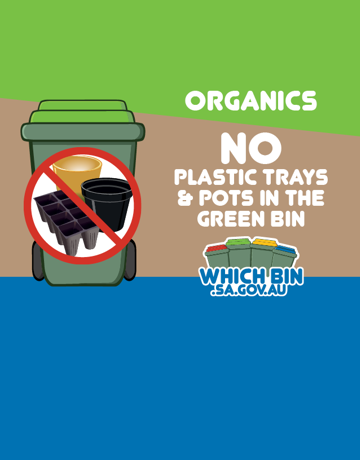
If you are planting new seedlings or trees, make sure you keep the plastic trays and pots out of your green...
This festive season (and always), be mindful of what materials you’re throwing away – it’s likely a lot of ...
Why waste it? Spring time is a great time to declutter and clean up. Here are five easy steps to declutteri...
In today’s world, we tend to emphasize convenience more than anything else. We seem to always be looki...
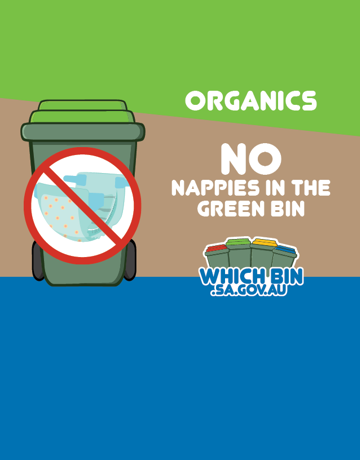
All nappies, even those that claim to be biodegradable or compostable need to go in the was...
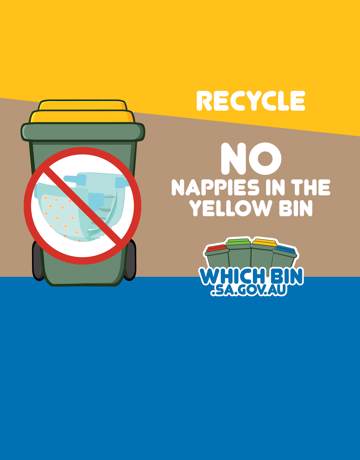
Believe it or not, dirty nappies often end up at material recycling facilities. They cause significant and...
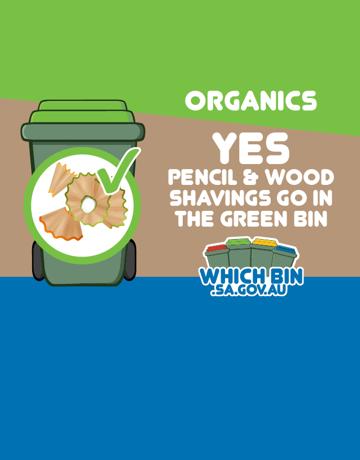
Pencil and other wood shavings such as saw dust can go in your green lidded food and garden...
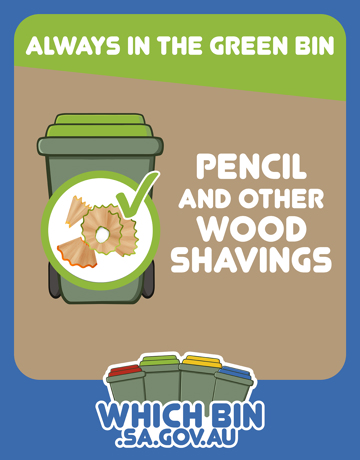
Pencil and other wood shavings, like sawdust, can go in your green bin.If you have your own composting system se...
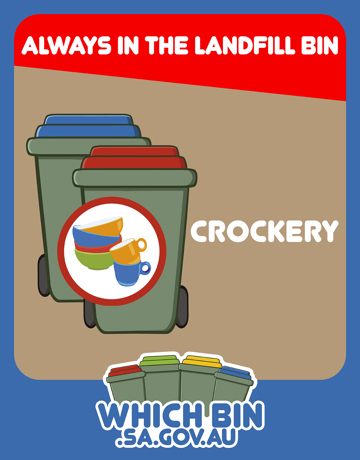
Ceramic plates, bowls, mugs, saucers, pots, and dishes made from earthenware or china must be placed in your red...
Although the aluminium foil and plastic wrappers on Easter eggs may look pretty, it’s not so pretty when i...
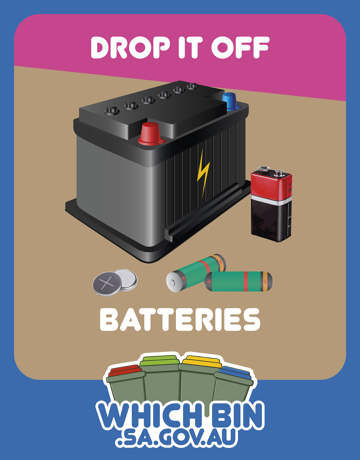
You can safely dispose of batteries by taking them to a free collection point, as listed below.When batteries ar...
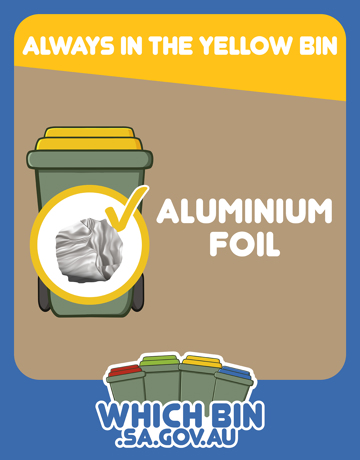
Aluminium foil can be recycled by scrunching it up into a ball the size of a tennis ball and placing it into you...
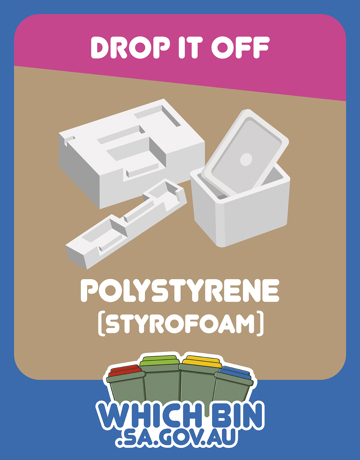
Expanded polystyrene (EPS), also known as Styrofoam, is used to produce items like meat trays and foam packaging...
If you ever find yourself in a hairy or nail biting situation…don’t fear, the green organic...
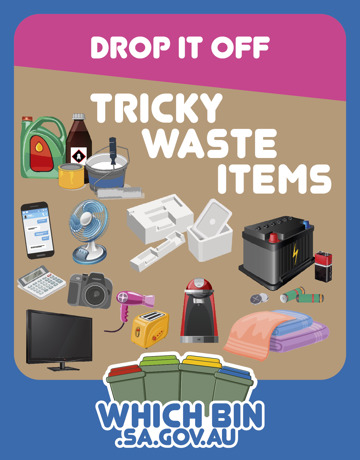
Some tricky waste items can be recycled – just not through your yellow bin. Read on to find out where some of th...
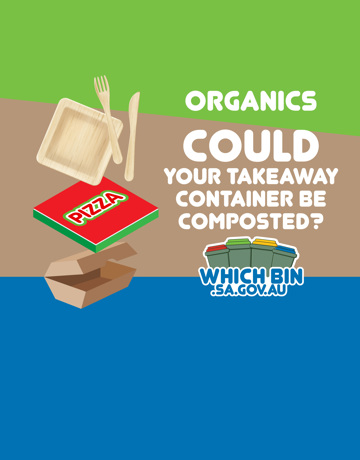
Compostable containers include 100% paper, cardboard, wood, rye straw or compostable products with no ...
Once collected from the kerbside, your yellow bin materials are taken to a Materials Recovery Facility (MRF), wh...
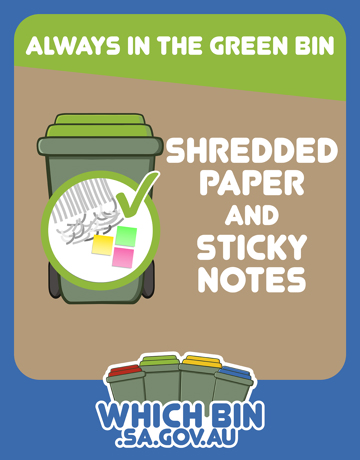
Shredded paper, sticky notes and other small pieces of paper can go in your green bin.Paper provides a great sou...
Plastic Free July is a global movement that challenges participants to avoid using single-use plastics wher...
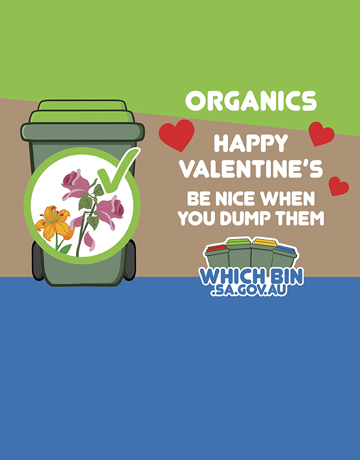
Less Waste, More Love Why waste it? This Valentine’s Day express your love and admiration with less stuff a...

Not sure which bin to put your plastic in? Apply the scrunch test… To make it easier for residents w...
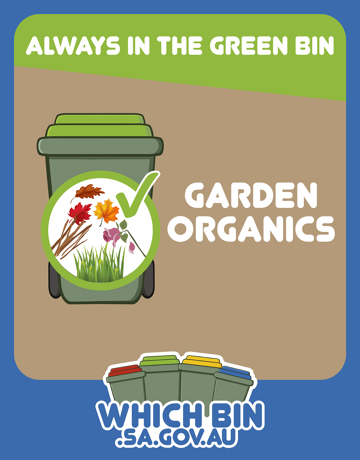
Anything that grows in your garden can go in your green bin – that includes flowers, weeds, lawn clippings, leav...
All food scraps, tissues, paper towel, shredded paper, and more can be composted through your green bin.If you’r...
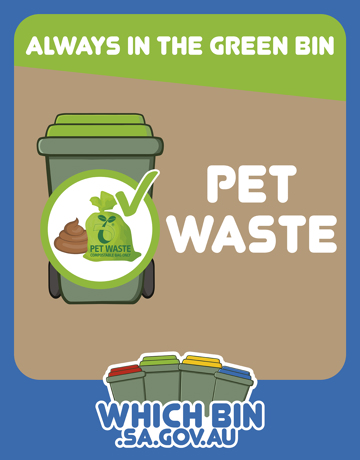
Pet waste can in fact be composted through your green bin.You may say ‘ewww’ to pet poo, but rest assured the co...
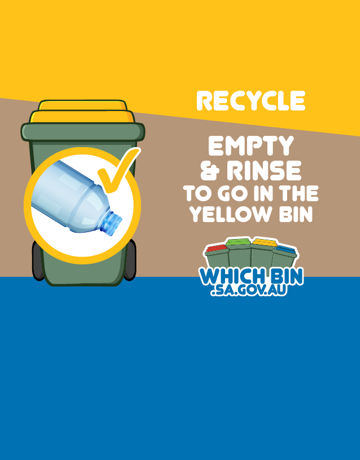
Please keep your recycling clean, dirty recyclables may end up in waste! It is unfortunately still quite common...
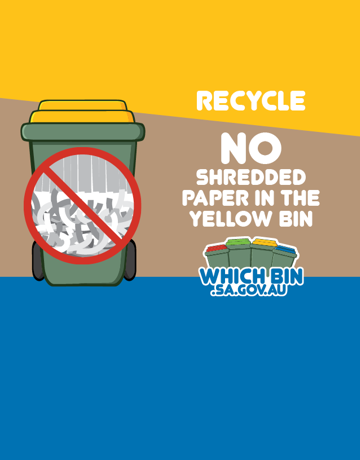
But it’s paper, so why can’t shredded paper be recycled? Shredded paper filters through other recyclable mater...
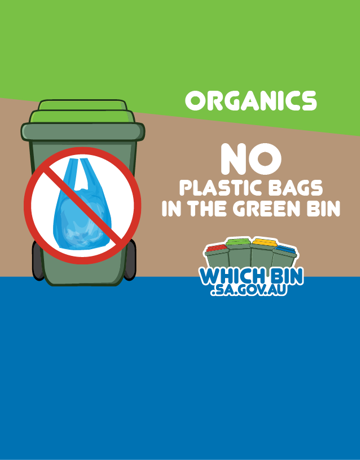
Plastic bags are one of the main contaminants found in the green bin. There is a lot of con...
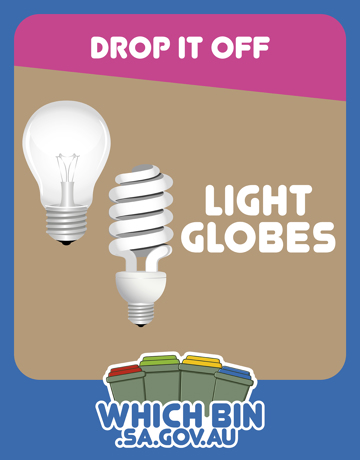
You can recycle light globes through the Backlight program by dropping them off at participating Mitre 10, True ...
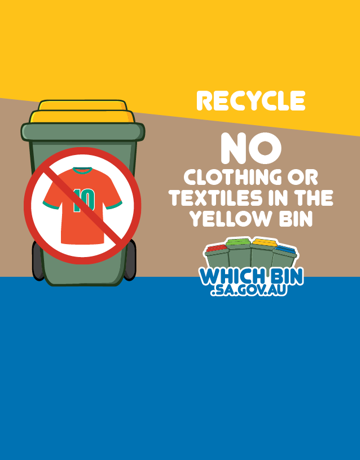
It seems to be a common misunderstanding that by placing clothing, footwear and textiles in the recycle bi...
Post-it notes, small pieces of paper and shredded paper can be placed in the green bin. Pa...
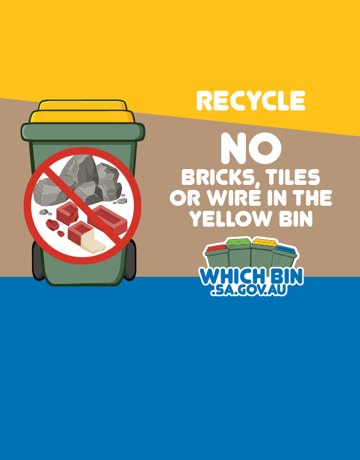
Building materials including bricks, tiles, cement and wire cannot be recycled through your yellow recycli...
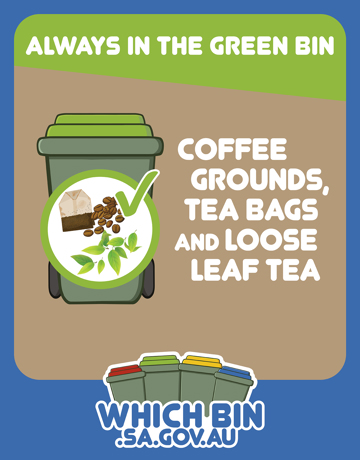
Coffee grounds, tea bags and loose tea leaves can go into your green bin, or your home compost bin.Coffee ground...
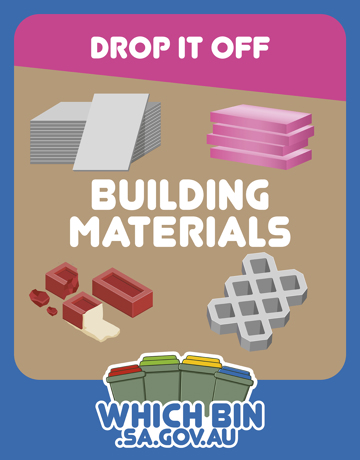
Building materials, such as bricks, tiles, cement and wire, can't be recycled through your yellow-lidded recycli...
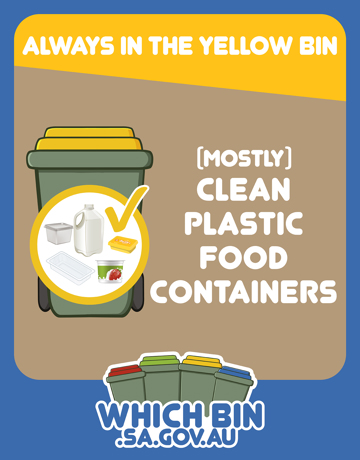
Plastic food containers and bottles, like ice cream tubs, yoghurt pots, butter and margarine tubs, sauce bottles...
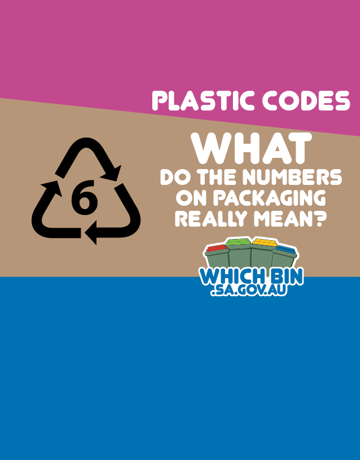
The number 1 to 7 found on the bottom of plastics is not a recycling symbol but rather a plastic...
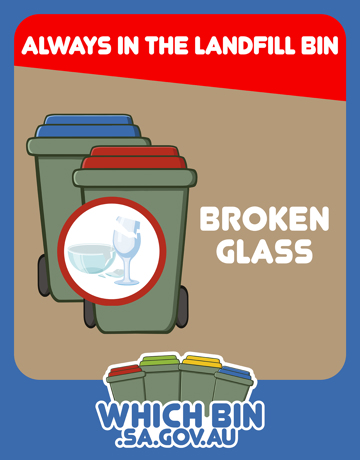
While whole, unbroken glass bottles and jars can be placed in your yellow recycling bin, any broken glass needs ...
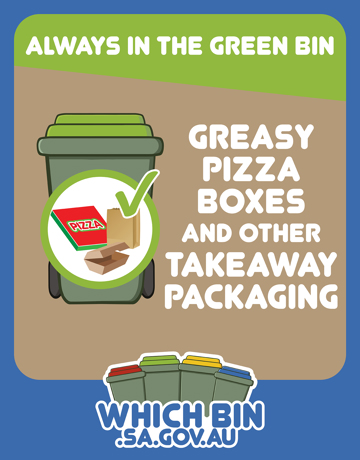
Pizza boxes – especially when they’re greasy and have cheese or other food stuck to them – are great in your gre...
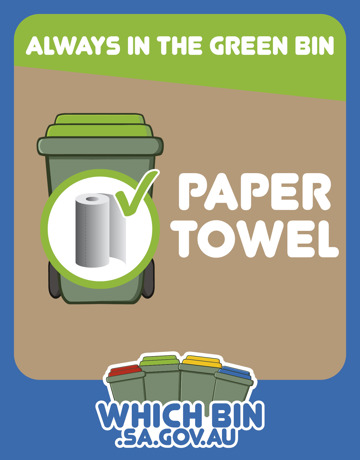
Paper towel can be composted by placing it in your green organics bin.Paper towel is made from recycled, low-gra...
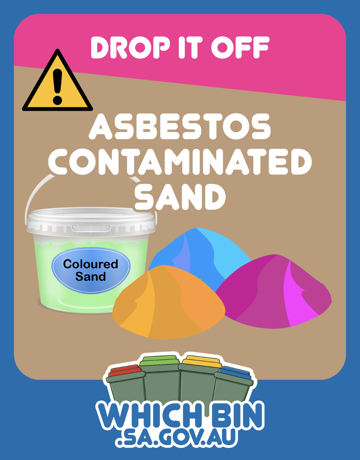
Handling asbestosAsbestos can be a hazard to health if handled incorrectly.Asbestos requires very careful handli...
Egg cartons are made from recycled, low grade paper and cardboard which is great for compos...
Cardboard egg cartons can be composted through your green bin.Egg cartons are made from recycled, low-grade pape...
Ever wondered what to do with a pizza box, particularly if it’s quite greasy or has cheese ...
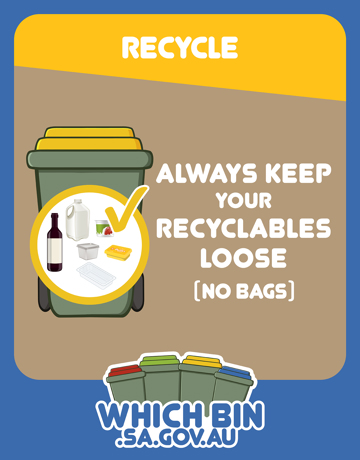
When placing items in your recycling bin, keep them loose and free of plastic bags.When a bag of recyclables arr...
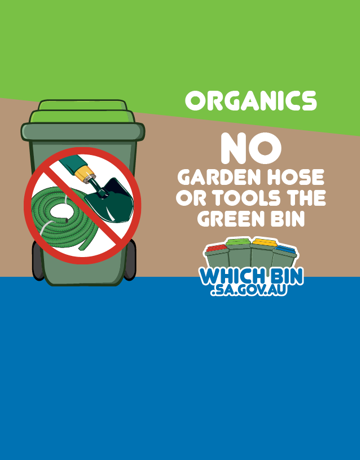
Only compostable, organic garden materials and food should be placed in the green lidded food and garden organ...
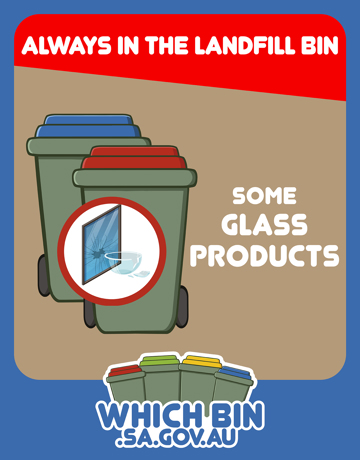
While whole glass bottles and jars can be placed in your yellow recycling bin, other glass products such as wind...
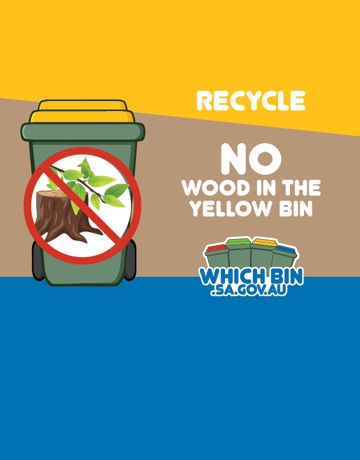
Wood and other garden materials do not belong in the yellow lidded recycle bin. They cause contamination and ca...
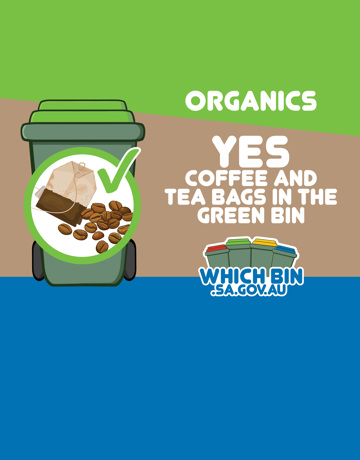
Coffee grounds contain a good amount of the essential nutrient nitrogen as well as some potassium and phosphorus...
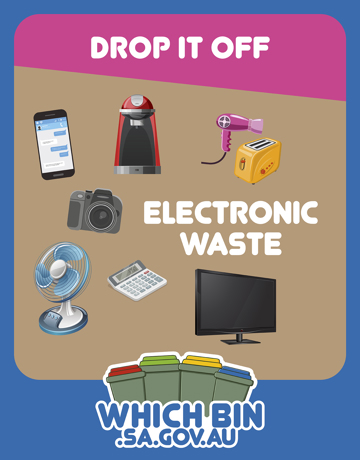
Electronic waste, like TVs, phones, computers and cables, can be recycled – just not through your yellow bin.If ...
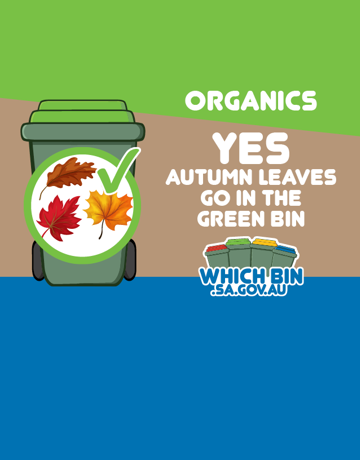
COMPOST THEM Gardening expert Graham ‘Willow’ Williams told ABC Radio that “Autumn leave...
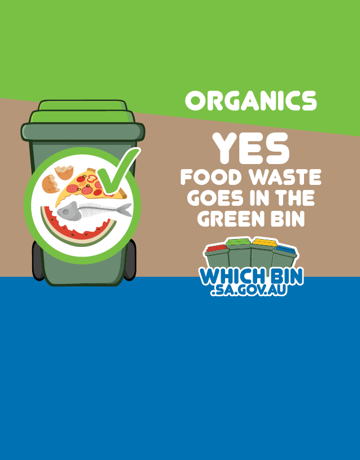
Which bin? Food scraps including citrus, onion, dairy, meat, bones, fish, fruit and vegetable scraps can all b...
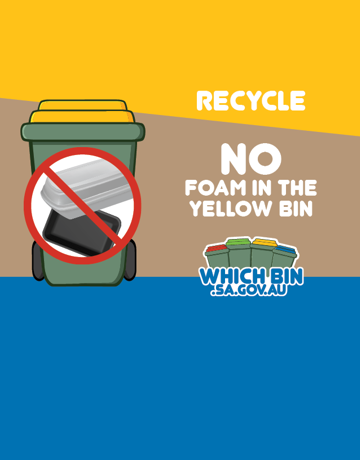
Expanded polystyrene foam (aka Styrofoam) includes meat trays, coffee cups and foam packaging and is...
What’s the difference between DEGRADABLE, BIODEGRADABLE, and COMPOSTABLE BAGS?…and which bin should I ...
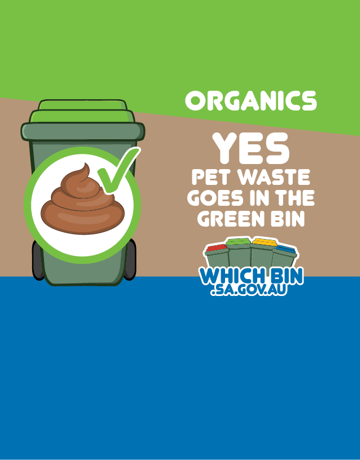
Did you know that all pet waste can be composted through your green organics bin? You may s...
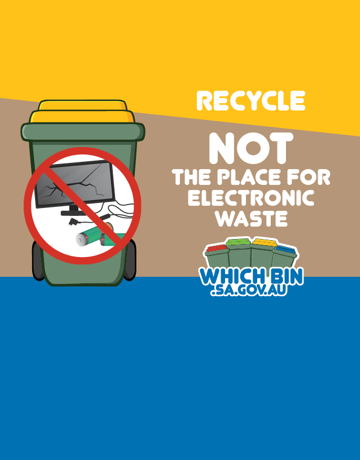
If you get a new TV, phone, tablet or another electrical gadget be sure to re-gift or recycle your old one by ta...
Once collected from kerbside, your food and garden organics are transported to a local composting facility....
Placing landfill and organic waste items in your yellow recycling bin can contaminate the valuable recycling mat...
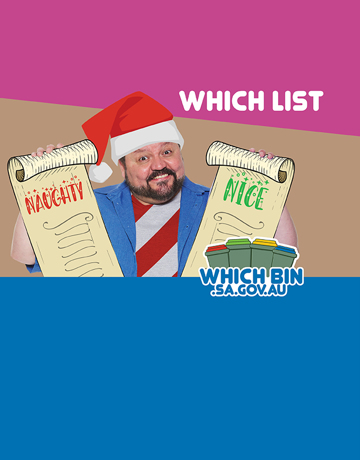
Use Vin’s handy lists for wanted (‘nice’) and unwanted (‘naughty’) bin choices over the festive season:NicePutti...
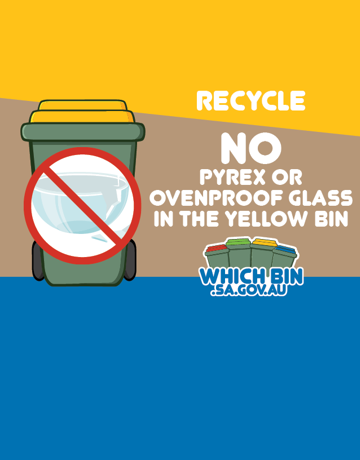
Broken glass, crockery and light globes cannot be recycled through the yellow lid recycle bin. Broken glass...
Here are five ways you can go plastic free for July and hopefully beyond. As School holidays are coming up we’ve...
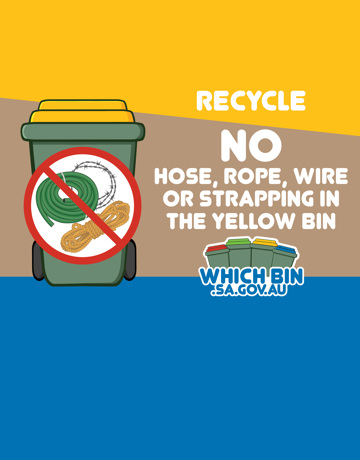
These items become entangled with recyclable materials and recycling machinery, causing contamination ...
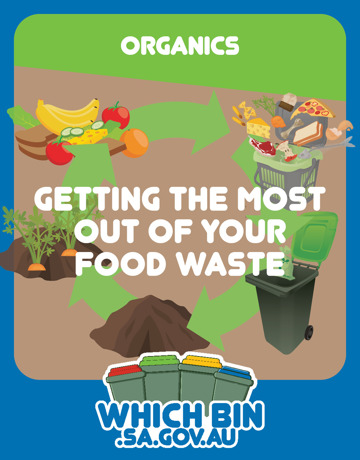
Did you know that your food waste can be used to help South Australian farmers and growers to produce more food?...
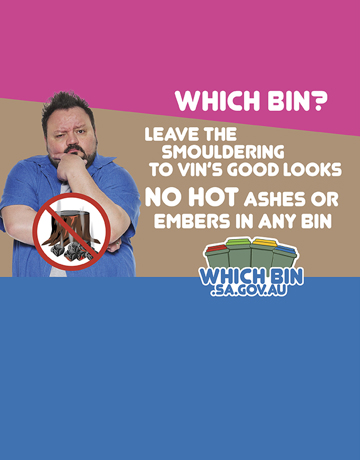
Remember to safely dispose of ash and charcoal this winter.If you are using a wood fire, it is important to safe...
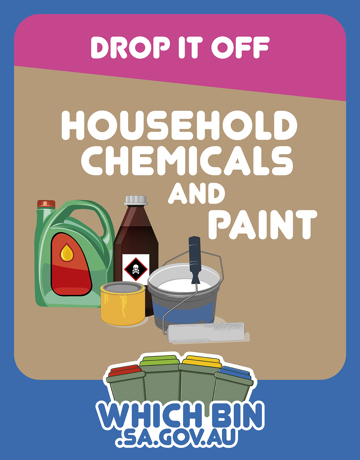
Household chemicals and paint don’t belong in any of your kerbside bins. If you have leftover products that...
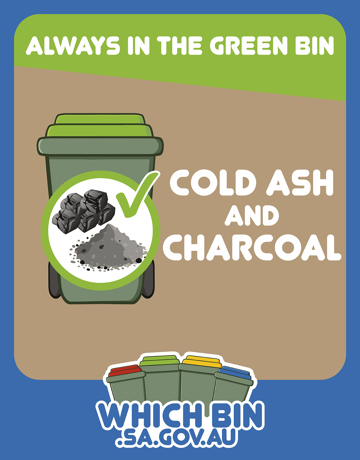
Having a fire to keep you nice and toasty this winter? Ashes and charcoal can go into your green bin, but only o...
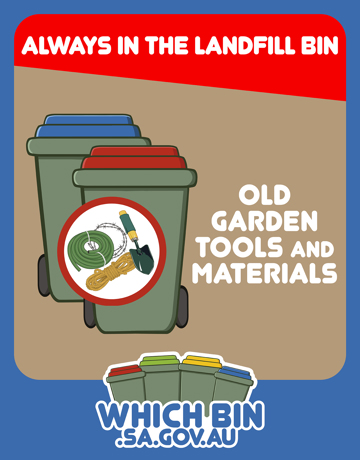
Old garden tools and other materials such as hoses, irrigation pipe, rope and strapping that can no longer be us...

Soft plastics can’t be recycled by placing them in your yellow bin, but they can be recycled by dropping them of...
Although South Australians are the best recyclers in the nation, we can still do better by reducing our contami...
1. Avoid and reduceThe best way to waste less is to avoid or reduce it from the get-go.Take some time to conside...
It's a common misconception that putting your food and organic waste in your landfill bin is no different from p...
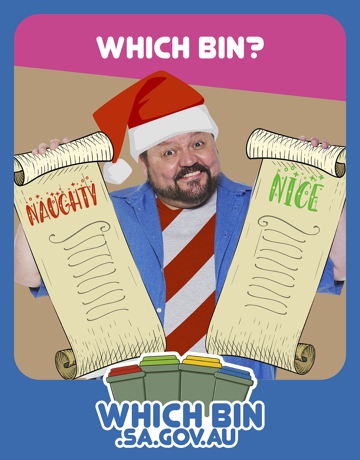
Use Vin’s handy lists for wanted ‘nice’ and unwanted ‘naughty’ bin choices over the festive season.NicePutting f...
Christmas time is typically a time when we prepare and eat lots of delicious food…but why waste it? Many...
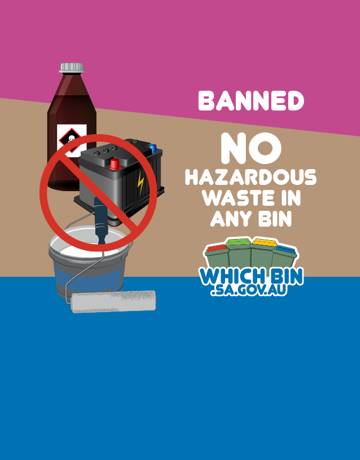
Hazardous waste must NOT be placed in any of your household waste, recycling bin or green...
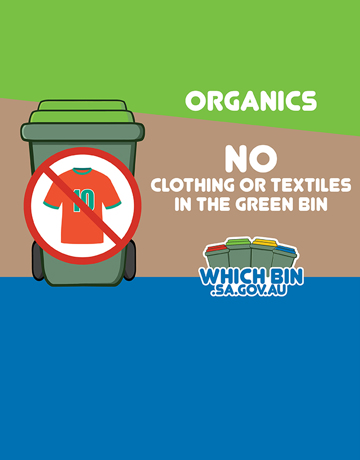
Usually the phrase ‘if it grows, it can go’ applies for anything that can be added to your green bin but with an...
For many, the festive season is a time when we prepare and eat lots of delicious food, but the unfortunate real...
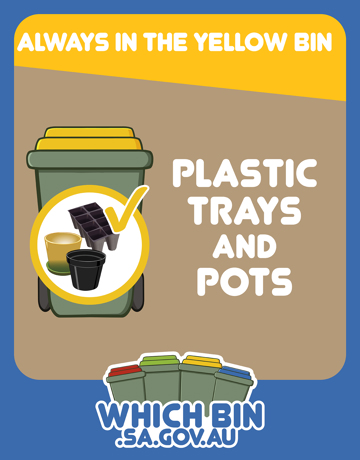
Plastic pots and trays that new seedlings and trees come in can be recycled by emptying out the soil, giving the...
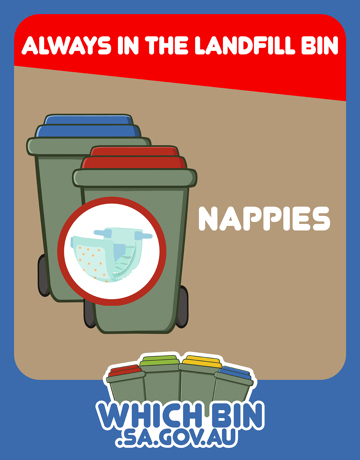
Nappies, clean or dirty, must always be placed in your red/blue landfill bin.In South Australia, there are curre...
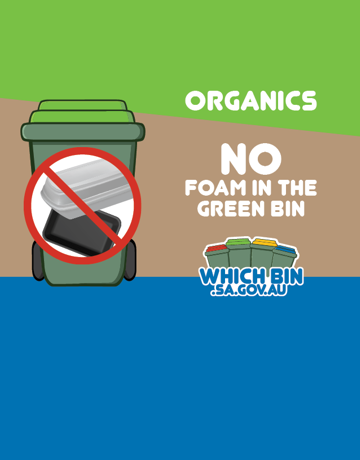
Expanded polystyrene foam (aka Styrofoam) includes meat trays, coffee cups and foam packagi...
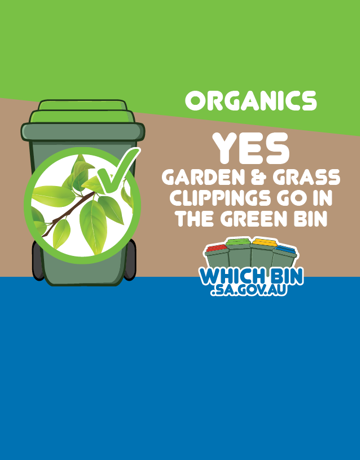
Whether its flowers or weeds, lawn clippings or leaves, sticks, small logs or bark, it can...
Once received at the Materials Recycling Facility, (MRF) recyclables are pushed with a front end loader from the...
The rise of fast fashion in Australia means 6,000 kilograms of clothing is dumped in landfill every 10...
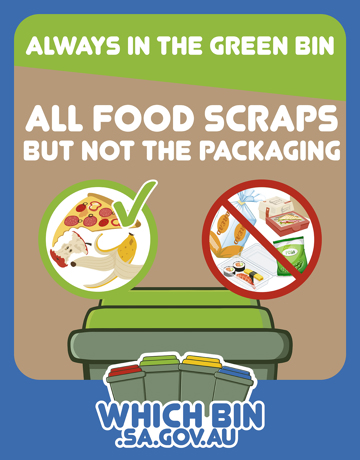
All food scraps, including citrus, onion, dairy, meat, bones, fish, fruit and vegetables, need to be recycled th...
The numbers 1 to 7 found on plastics is not a recycling symbol, but rather a plastic or resin identification cod...
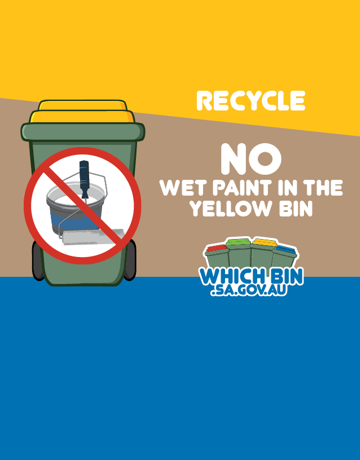
To avoid causing a mess in your recycle bin and potentially sending your recyclables to waste, make sure pa...
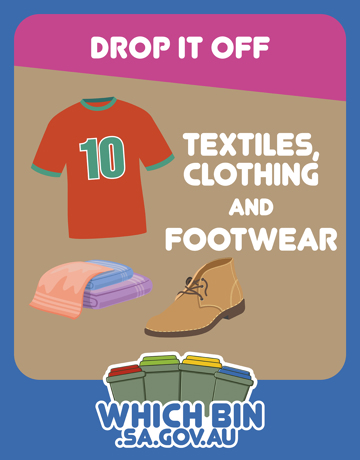
Textiles, clothing and footwear can’t be recycled through your yellow or green bin. This includes items made fro...
With Christmas just around the corner, here’s some great ways you can avoid, reduce and re-use waste, whic...
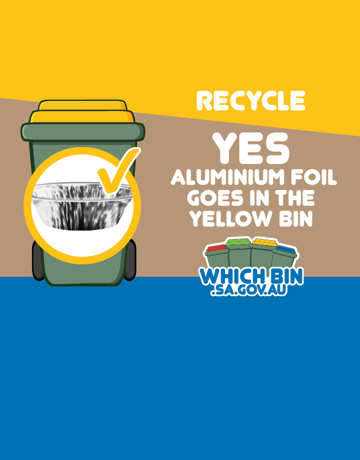
Aluminium foil is 100% recyclable and recycling it saves 95% of the energy required to produce aluminium from ...
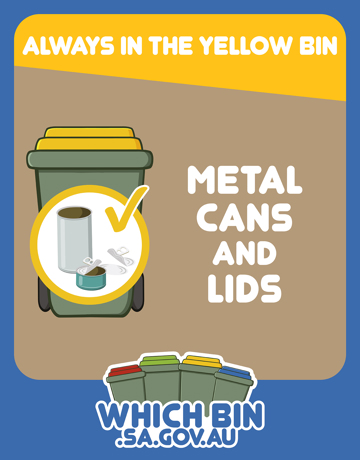
Cans, like the ones peas and corn come in, can be rinsed and placed in your recycling bin.To recycle the metal l...
Once collected from your kerbside, your food and garden organics are taken to a local composting facility. In So...
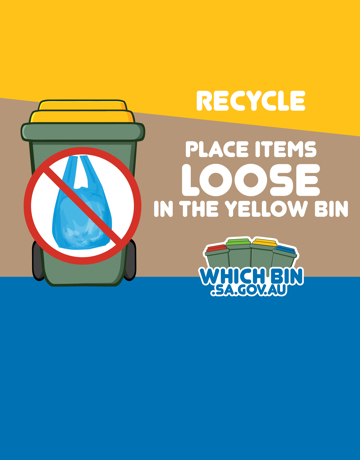
Bagged recycling cannot be separated and sorted for recycling and often goes to waste. The...
A big ‘hi five’ to anyone that has taken on the plastic free July challenge. As you may know, it’s no...
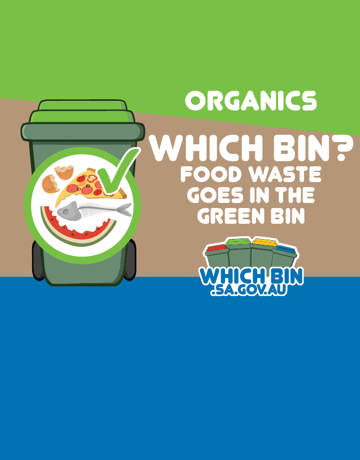
Australia’s food waste figures speak for themselves. The Federal Government estimates more ...
Did you know? Recycling aluminium saves 95% of the energy required to produce Aluminium from raw ...